 JB–R
Ring boxes
Control slot width and depth while clearing the stone, setting, band profile, and visible surfaces. Confirm how easily the ring enters and leaves without excessive force.
- Band slot
- Setting clearance
- Finger access
Presentation without unsafe contact
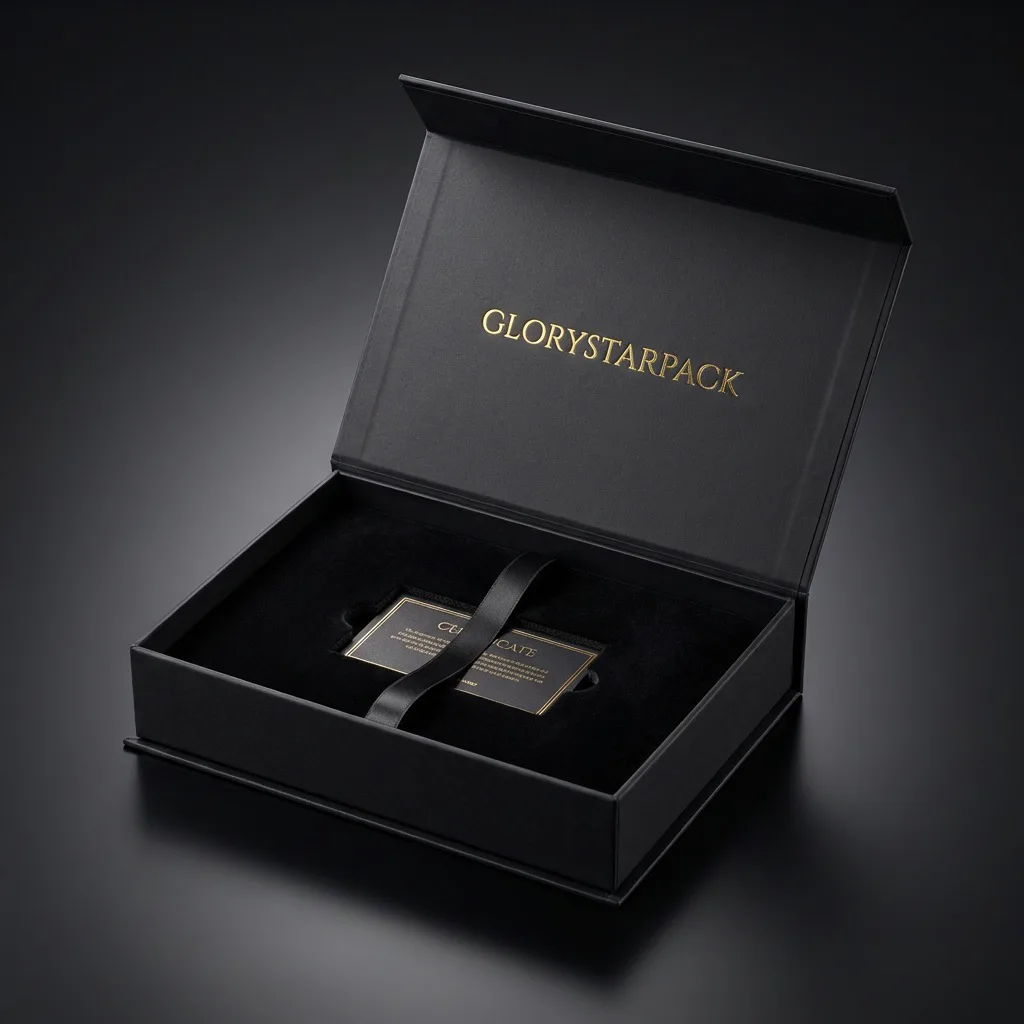
GloryStarPack develops custom jewelry gift boxes in Xiamen, China for rings, earrings, necklaces, bracelets and watches. Match the opening and insert to the item, then approve contact materials, retention and removal with your jewelry or watch before bulk production.
MOQ 1,000 pcs per design · Samples about 7 working days · Bulk 25–35 working days after sample approval · Freight time additional
From product to quotation
The arranged jewelry envelope, contact surfaces and removal sequence determine the insert and usable space.
Item-specific architecture
A jewelry box should be specified from the real item envelope, weight, moving parts, presentation face, contact restrictions, and removal sequence—not from a generic cavity photograph.
Use the free jewelry insert fit planner and supplier-ready design checklist
JB–R
Control slot width and depth while clearing the stone, setting, band profile, and visible surfaces. Confirm how easily the ring enters and leaves without excessive force.
 JB–E
Set pair spacing, orientation, post clearance, and a managed position for backs. Check whether the user removes the complete pair without bending a post or touching a fragile face.
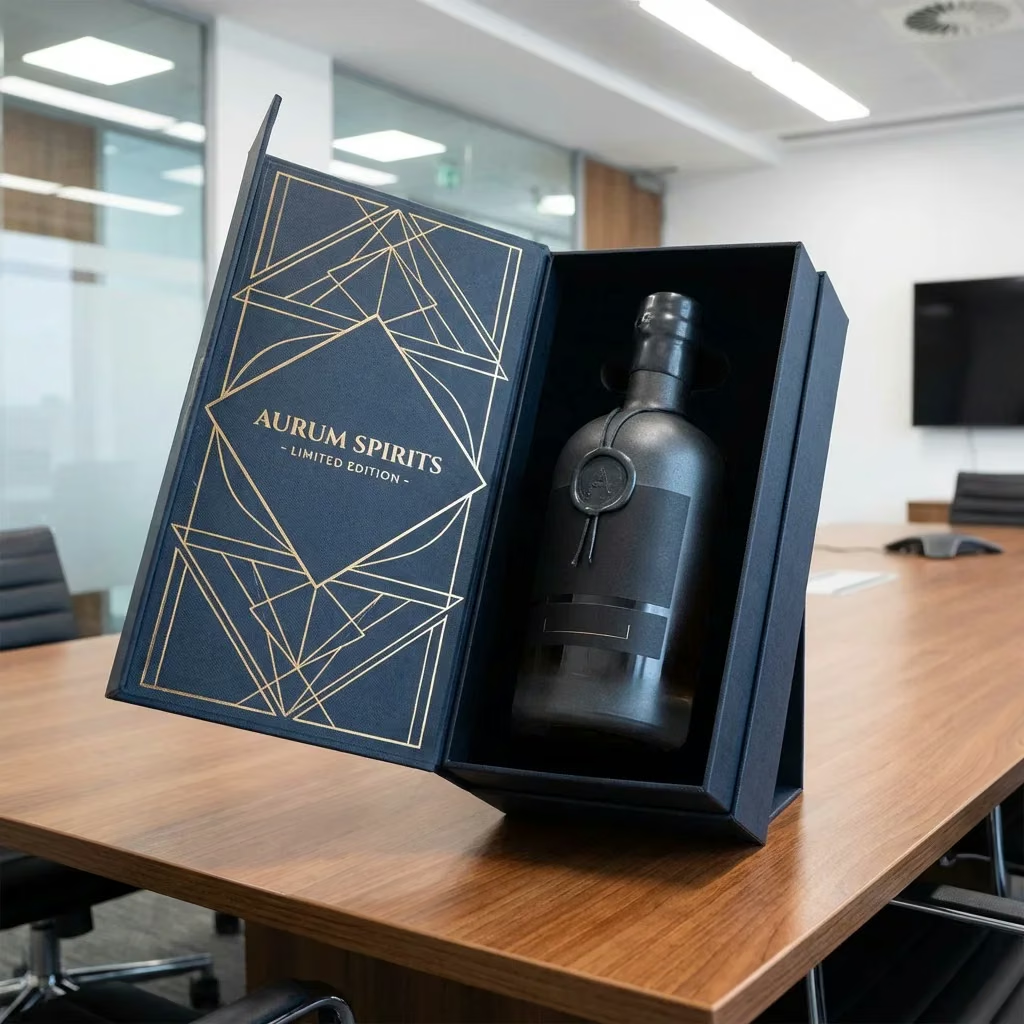
Define the chain path, pendant position, anchor points, hidden storage, and release sequence. The layout should limit unwanted movement without making the chain difficult to remove.
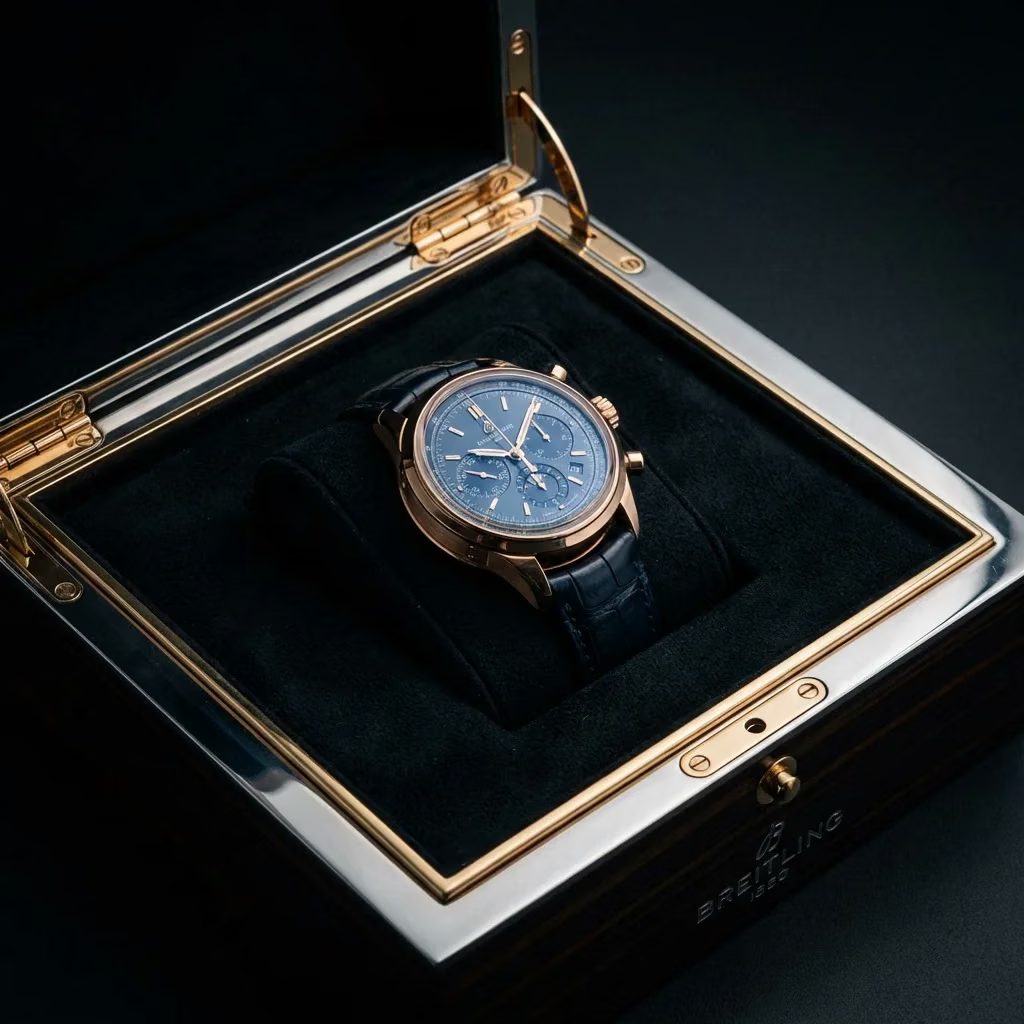
Match the cushion circumference and compression to the closed item, then allow for clasp, crown, links, case thickness, and removal grip. Confirm that the cushion stays seated during handling.
Contact and scratch-risk brief
Soft-looking material is not automatically safe for every plating, stone, coating, or storage period. Contact construction needs a product-specific approval route.
Scroll horizontally to view all columns →
| Decision | Information to provide | What to approve |
|---|---|---|
| Item surfaces | Metal and plating, polished or coated faces, stones, enamel, leather, crystal, display face, and known sensitivities. | Permitted support zones, no-contact zones, pressure limits, separation points, and the packed orientation. |
| Lining surface | Requested fabric, flock, paper, fiber, or other finish, including color and tactile reference. | Abrasion, loose fibers, dye or color transfer, seams, wrinkles, edge turns, odor, and visible marks after insertion and removal. |
| Structural core | Product mass, retention force, desired profile, cavity detail, flex, and expected handling. | Core material and grade, compression, recovery, cut quality, wrap adhesion, and whether hard edges can reach the product. |
| Adhesives and seams | Restricted substances or contact requirements, storage conditions, and areas that must remain free of adhesive. | Adhesive placement, bleed or migration risk, seam position, curing, odor, and compatibility with the agreed product and contact layer. |
| Storage environment | Expected packing and storage time, humidity and temperature range if controlled, and any protective component requested by the brand. | The complete packed system and stated validation method. Do not treat the presentation box alone as an anti-tarnish guarantee. |
Material rule: fabric, flock, foam, molded fiber, coatings, and specialized protective components are subject to sourcing and project suitability. Record the actual proposed construction and required documentation in the quote and sample approval.
Retention and removal
Retention is not simply a tight cavity. It is the balance between movement control, contact pressure, clear product presentation, and a removal path that does not pull on delicate parts.
Hinge and closure behavior
Choose a hinged box for an upright display, a lid-and-base box for access from above, or a drawer for a horizontal reveal. Check each opening with the item in place: the lid and lining must clear raised settings, chains, clasps and other projections.
Review hinge alignment, opening angle, lid stability, interior clearance, closure effort, and whether the lid or liner can touch a raised setting. Closure hardware and material route are confirmed per project.
Define lid depth, lift effort, reveal speed, insert seating, and a place to hold the base while removing the lid. Check that stacking or packed pressure does not transfer onto the item.
Use tray travel, pull access, and insert orientation to control the reveal. The item must remain retained as the tray moves, and the user should not need to pull a ribbon near a delicate chain or projection.
Closure note: if magnets or metal closure components are being considered, disclose product and brand restrictions first. Do not assume one closure is suitable for every watch, device, accessory, or retail environment.
Brand system and size family
A family can share exterior cues while internal structures change by item. The specification should distinguish what is locked across the range from what needs separate approval.
Sample and quality plan
Timing, sampling route, inspection method, and production criteria are confirmed after the item, construction, materials, quantities, finishing, and destination are known.
Record maximum dimensions, weight, surface and contact restrictions, product variation, display face, accessories, and SKU identification.
Review insert retention, pressure, removal, hinge or lid behavior, closure, branding, seams, contact materials, and presentation with a representative item.
Sign off drawings, artwork, materials, colors, finish placement, loaded fit, visual workmanship, pack-out, and the agreed inspection approach.
Check dimensions, insert version, closure action, product access, surface condition, logo position, carton count, labels, and separation against the approved references.
Outer shipping specification
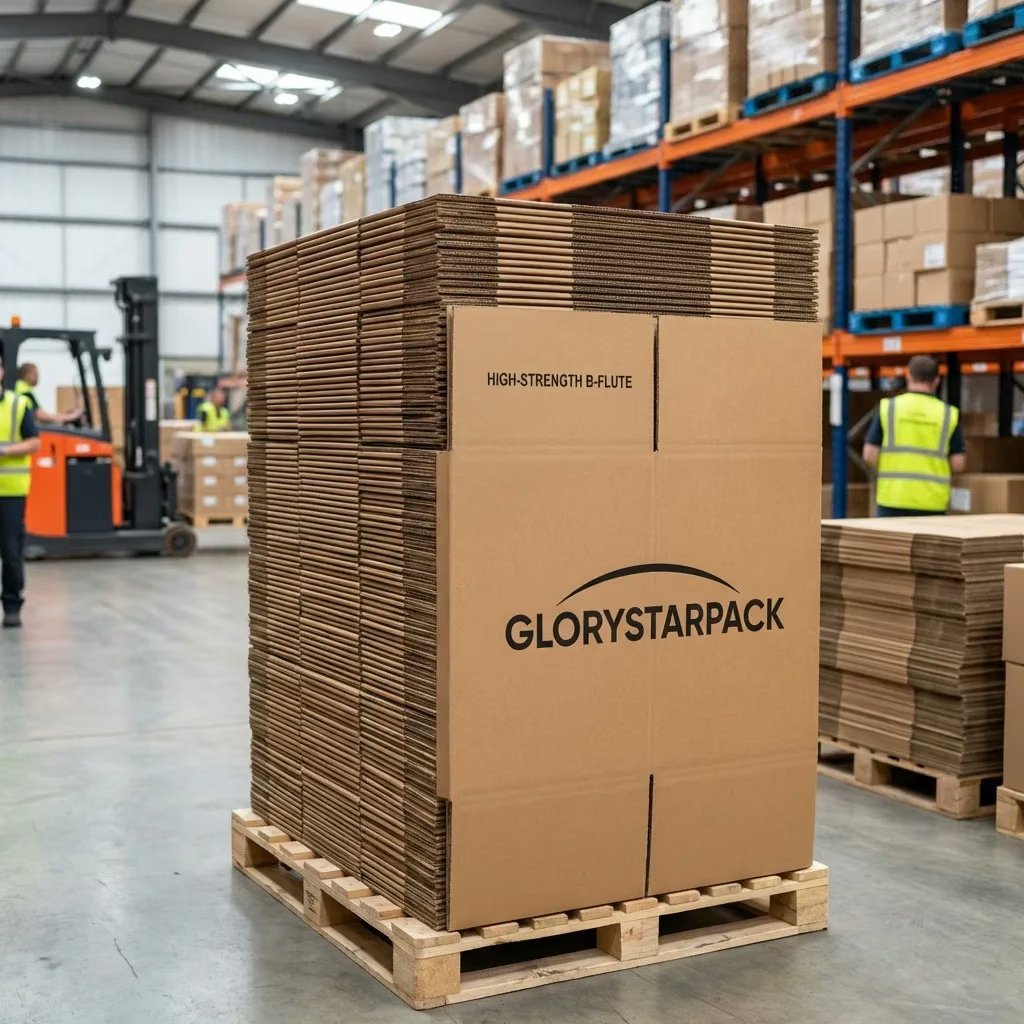
Jewelry boxes can be compact yet vulnerable to lid pressure, edge rub, mixed-SKU errors, and movement inside a master carton. Approve the outer pack with loaded production-equivalent units.
Buyer questions
Final construction, material, protective component, sampling, and packing recommendations depend on the actual jewelry, storage conditions, quantities, and delivery route.
Buyer evidence pack
A logo on a website is not enough. For a material, compliance, or quality requirement, request the current document and verify that its scope applies to your order.
Company identity. Review company facts and paper-box order terms. GloryStarPack is operated by Xiamen GloryStar Packaging Co., Ltd. in Xiamen, Fujian, China. This site covers custom boxes, bags, inserts, and labels. Visit our specialist glass bottle and container packaging site. View our Alibaba company profile.
Approved photos, dimensions, finish location, and revision notes.
Named substrate, board, adhesive, laminate, or requested certificate copy.
Agreed photos or video from printing, finishing, assembly, and inspection.
Carton count, marks, packing photos, gross dimensions, and delivery term.
Use the packaging sample approval checklist to record fit, color, finishing, pack-out, revisions, and the exact reference that will govern production.
For first production through shipment release, use the packaging quality inspection checklist and record planner to control lots, defects, carton data, corrective action, reinspection, and authority.
Quote custom jewelry boxes
Send the item type, maximum dimensions and weight, a photo or drawing, quantity per design, and delivery country. Include no-contact surfaces, preferred opening and insert, branding references, target arrival date and any mixed-SKU packing needs. Use a representative item to approve fit and removal.